Roadside assistance means something different depending on who you ask — a jump start, a tow, or a technician who can actually fix the problem on the shoulder. Here’s what it covers, when you need it, and what to expect.
It’s meant to get a truck moving again on the spot — not to replace a full shop visit for a major repair.
Battery & Jump Starts
Dead batteries and failed starters that leave a truck unable to start, addressed on the spot with a jump or a swap.
Fuel Delivery
Diesel delivered directly to a truck that's run dry, so it doesn't need a tow just to reach the nearest pump.
Tire Changes
Flat or blown tires on the tractor or trailer, swapped roadside instead of waiting on a flatbed.
Minor Electrical Repairs
Loose connections, blown fuses and simple wiring faults stopping a truck from running or lighting up.
DPF, DEF & SCR Resets
Emissions faults that have put the truck into derate, cleared on-site where the fault allows it.
Minor Brake & Air Adjustments
Slack adjusters and air system issues serious enough to stop a truck, but not always serious enough to need a shop lift.
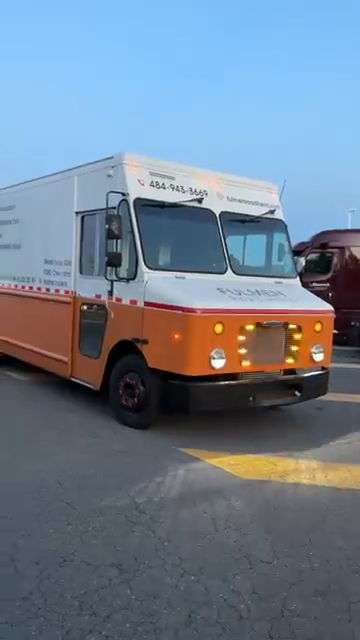
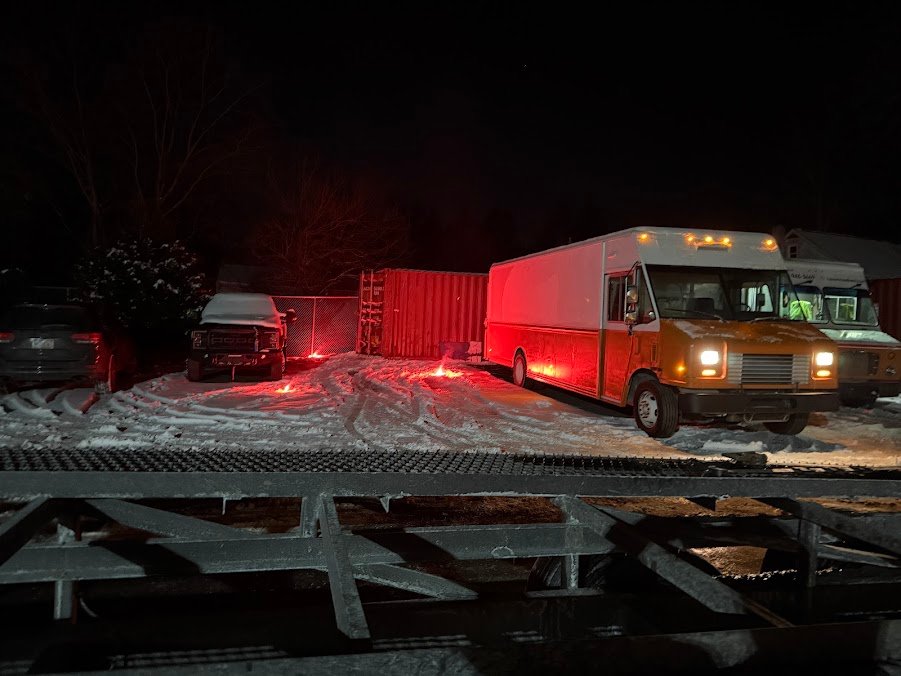
Roadside assistance means a mobile technician tries to fix the problem where the truck sits, using a stocked service vehicle like our Road Hero. Towing means the truck can’t be repaired on-site and gets transported to a shop instead — the fallback when a fix isn’t possible, not the default outcome.
COMMON SYMPTOMS
SIGNS YOU NEED ROADSIDE ASSISTANCE
Most roadside calls fall into one of these categories.
Truck won't start — dead battery or failed starter
Blown or flat tire on the tractor or trailer
DPF, DEF or SCR warning has triggered a derate
Low air pressure or a stuck slack adjuster
Truck has run out of fuel, or fuel is contaminated
Engine overheating from a coolant leak
Truck shut down in an unsafe spot on the shoulder
Trailer lights or brakes failed separately from the tractor
Repairs and services that get a truck moving again without a full shop visit — jump starts, fuel delivery, tire changes, minor electrical fixes, and DPF, DEF or SCR resets that clear a derate. Major repairs like an engine rebuild or a cracked frame still need a shop visit.
When Do You Need Roadside Assistance?
Most calls come down to a dead battery, a blown or flat tire, a DPF, DEF or SCR fault that’s triggered a derate, a brake or air system issue, a fuel problem, or overheating from a coolant leak.
What Happens When a Semi Truck Breaks Down?
The driver pulls off safely and calls with the location and a description of the problem. A technician is dispatched, diagnoses the truck on arrival, and either fixes it on the spot or arranges a tow to a shop.
Can Roadside Assistance Repair a Truck on Site?
In a lot of cases, yes — batteries, minor electrical faults, tires, some brake adjustments and DPF/DEF/SCR resets are commonly fixed roadside. Internal engine damage, major transmission failure and structural frame damage usually need a tow instead.
What Is the Difference Between Roadside Assistance and Towing?
Roadside assistance means a technician tries to fix the problem where the truck sits. Towing means the truck can’t be repaired on-site and gets transported to a shop instead — the fallback, not the default.
Can Roadside Assistance Help With a Trailer?
Yes — a blown trailer tire, a brake or ABS fault, or a lighting failure at the 7-pin connector gets the same on-site response as a tractor problem.
What Should You Do When Your Truck Breaks Down?
Get off the travel lane, turn on your hazard lights, set out reflective triangles if it’s safe to do so, stay away from moving traffic, and call with your exact location and a description of the problem.
What Information Should You Have When Calling for Roadside Service?
Your exact location (highway, direction, nearest mile marker or exit), the truck type and make, a unit or trailer number if it’s part of a fleet, a description of what happened, whether the truck is in a safe position, and a phone number where the technician can reach you back.
COVERS TRAILERS AND FLEET ACCOUNTS TOO
A stranded trailer holds up a load as much as a stranded tractor — and a fleet account gets the same roadside response as any single truck.